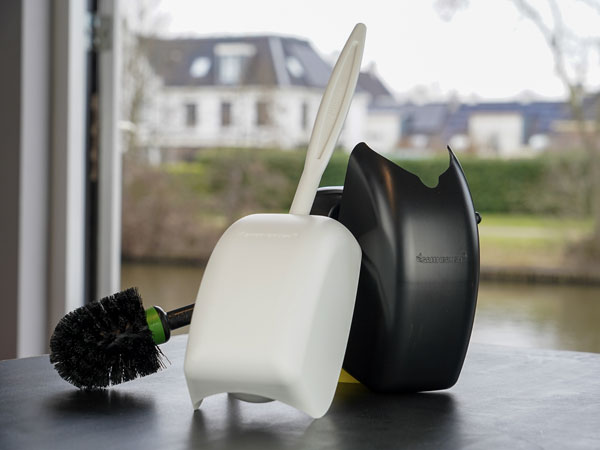
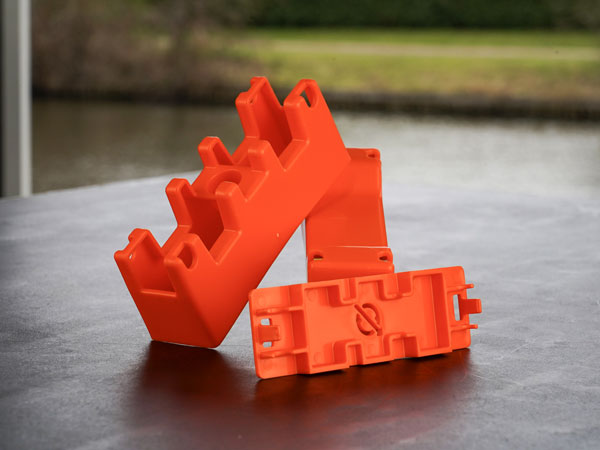
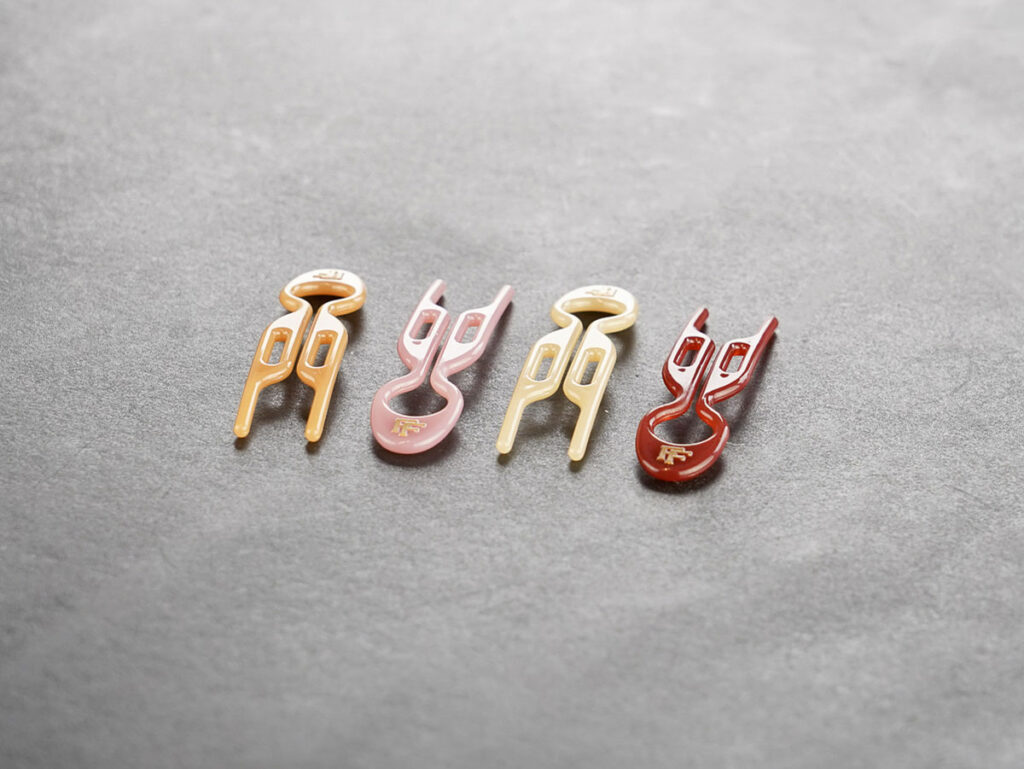
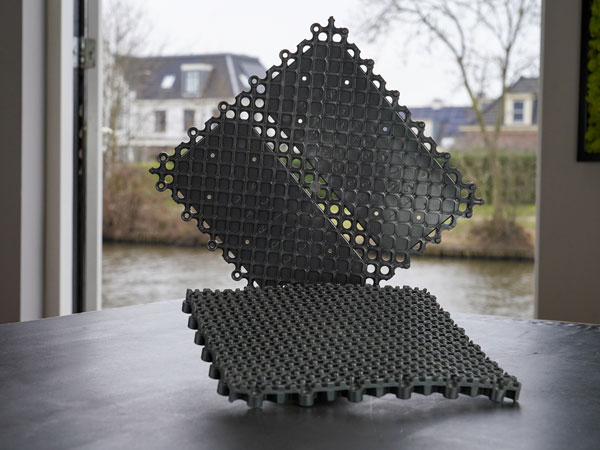
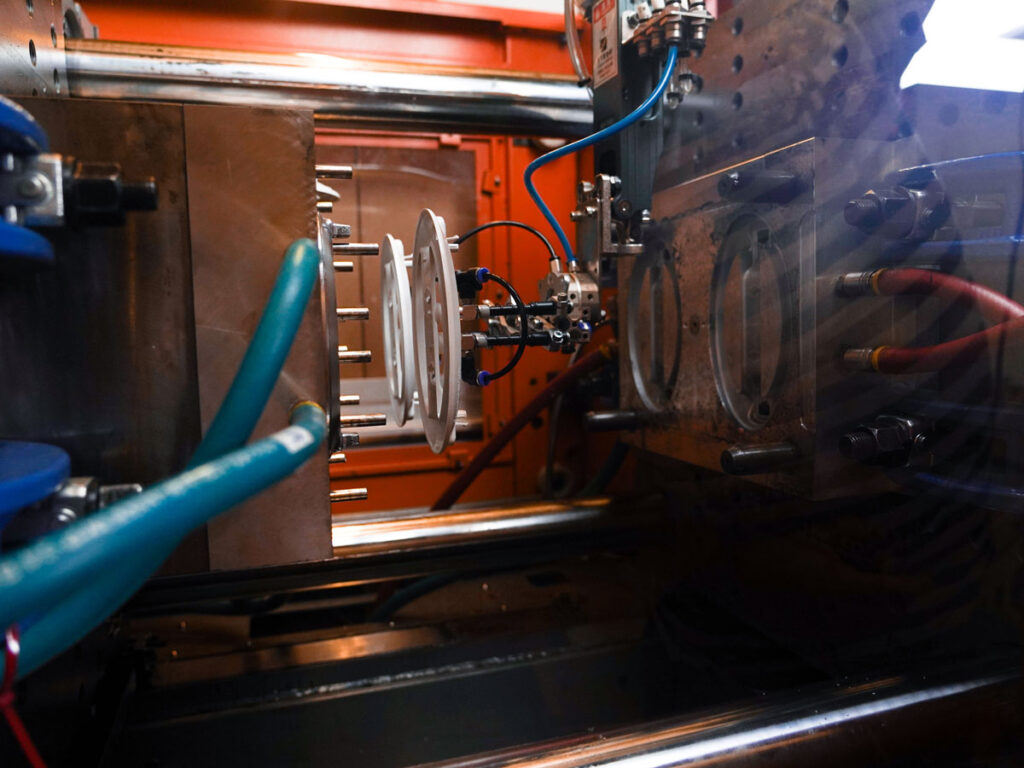
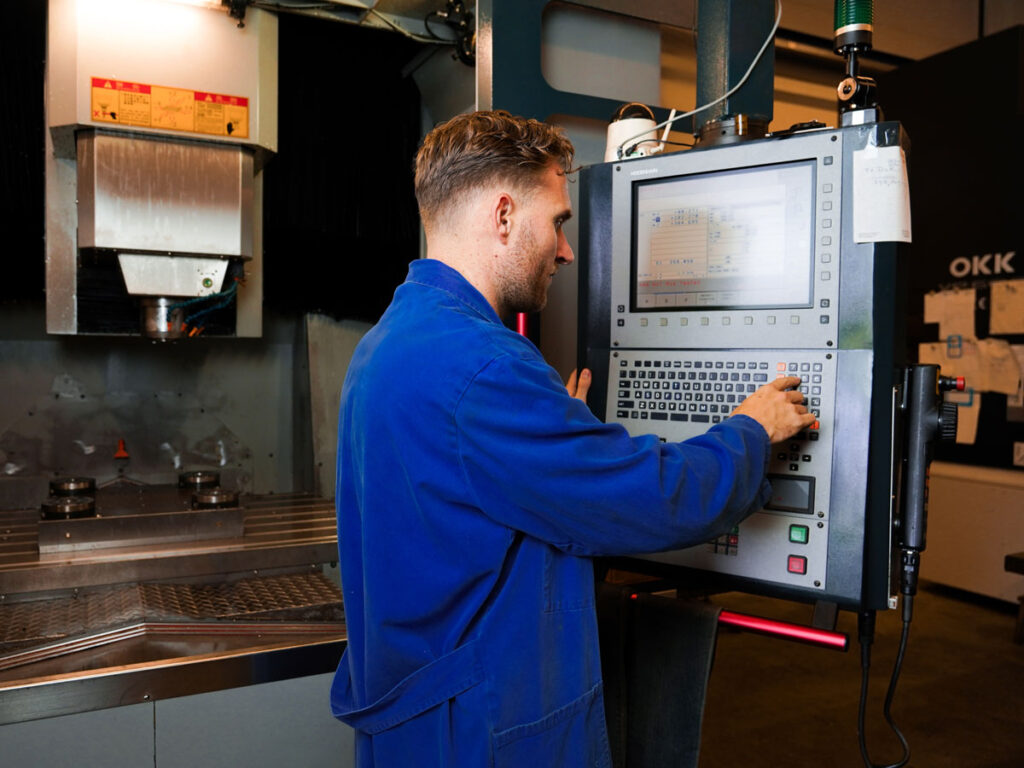
PE and HDPE are thermoplastic plastics that are widely used worldwide due to their wear resistance, low density, good welding properties and excellent moisture resistance. HDPE plastic is often used for industrial, technical and outdoor applications. Polyethylene (PE) is a collective term for several types of polyethylene, including LDPE and HDPE materials, known for their high strength-to-weight ratio. This makes PE/HDPE highly suitable for injection molding durable products.
PE and HDPE are robust and versatile plastics that combine mechanical strength with chemical resistance. Thanks to their durability, low maintenance requirements and broad applicability, they are ideal for a wide range of industrial, outdoor and packaging applications.
1. Exceptional impact and wear resistance
PE and HDPE are known for their robustness and high toughness, even at low temperatures. This makes the material ideal for products that need to withstand heavy impact, such as protective covers, containers and technical components.
2. Excellent chemical resistance
Polyethylene is resistant to acids, bases, solvents and moisture. As a result, PE/HDPE is highly suitable for applications involving chemical exposure or moisture, such as packaging, outdoor products or industrial fluid components.
3. Moisture-resistant and low maintenance
Unlike many other plastics, PE absorbs virtually no moisture. The material remains stable in shape and functionality, even in wet or industrial environments.
4. Broad applicability across many markets
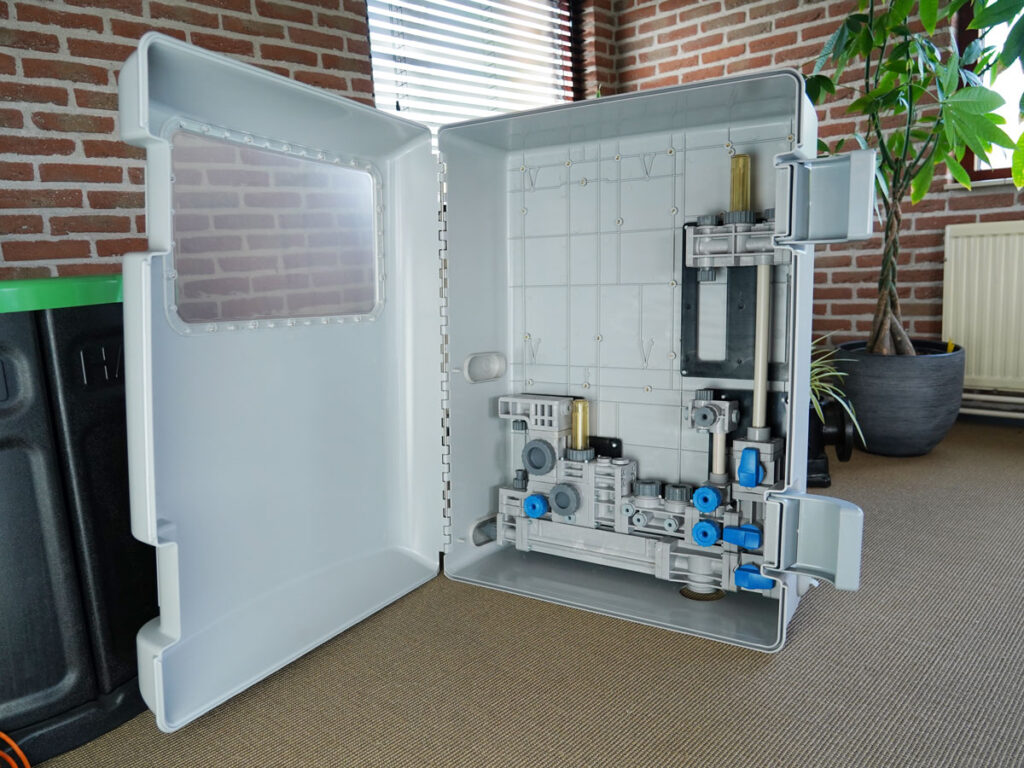
PE and HDPE are used in garden products, water and filtration technology, food-grade applications, packaging, technical parts, protective housings and outdoor products. The combination of toughness, flexibility and chemical resistance makes them a versatile choice.
5. Durable in use and processing
Due to the low density, less material is required per product. At the same time, PE can be injection molded very efficiently, resulting in short cycle times and an energy-efficient production process.
6. Easily recyclable
PE and HDPE can be reused effectively. Residual material or damaged products can be melted and reprocessed with minimal loss of quality.
The properties of polyethylene
The advantages of PE / HDPE
Polyethylene, often applied as HDPE, is a versatile plastic with properties that make it suitable for both heavy-duty and demanding applications. The material combines strength, flexibility and chemical resistance, making it a reliable choice in many situations.
Key material properties:
Wear-resistant and impact-resistant: ideal for heavily loaded products
Moisture-resistant: absorbs virtually no water; ideal for outdoor and industrial applications
Good welding properties: easy to weld, strong joints
Chemically resistant: resistant to aggressive substances such as acids and bases
Flexible and tough: retains impact resistance, even at low temperatures
Low density: lightweight, efficient to process and cost-effective
Disadvantages of PE / HDPE
Polyethylene has many strengths but also some limitations. In certain applications, processing, dimensional stability or UV resistance may require special attention.
More difficult to bond or print without prior surface treatment
Less dimensionally stable than ABS or PC; may deform slightly under load or heat
Moderate UV resistance without UV stabilizers (especially standard PE)
Recycled materials
Which other materials do we use?
In addition to PE and HDPE injection molding, Orange Plastics also processes other plastics such as PP, ABS, POM, PC and PVC. Sustainable options such as recycled plastics and bioplastics are also part of our offering. Our specialists are happy to advise you on the material that best suits your product and production process.
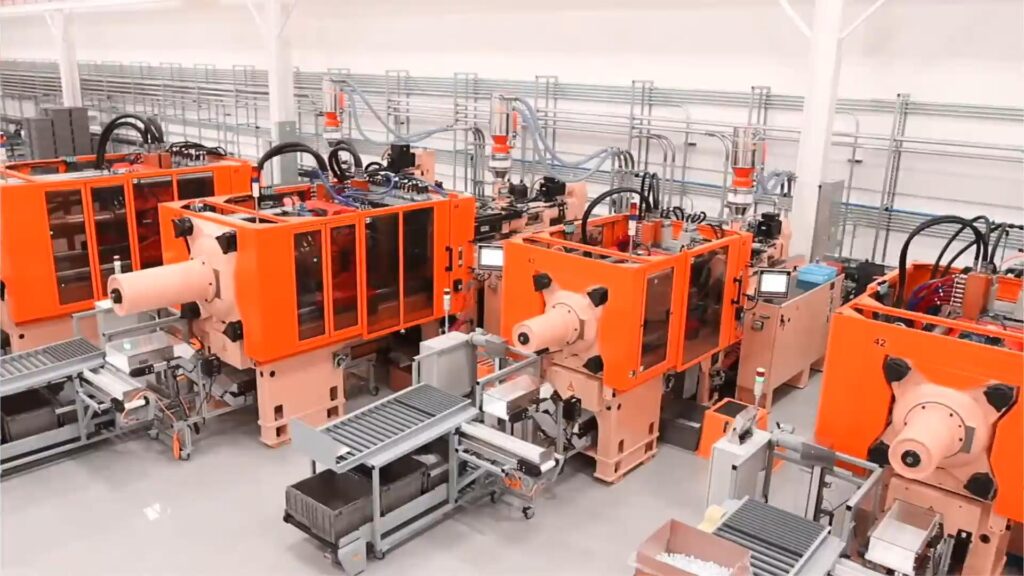
For PE and HDPE injection molding, we also follow a sustainable approach. We produce using energy-efficient, fully electric injection molding machines and use recycled PE or internally produced regrind wherever possible, without compromising impact resistance or moisture resistance. In this way, we leverage the strong and robust properties of polyethylene within an environmentally conscious production process and deliver high-quality components with a minimal ecological footprint.
By using various injection molding techniques, we can always select the optimal method for your product and application. Whether it concerns a prototype or series production, we guarantee that your plastic components are produced accurately and efficiently.
The cost of PE/HDPE injection molding is determined by a combination of the design, production volume and the selected polyethylene type. PE and HDPE are tough, wear-resistant and easy to injection mold, making them efficient to process. At the same time, factors such as the type of PE, color compounds and functional requirements can affect both price and lead time.
Factors influencing the price:
Type of PE: LDPE, HDPE, MDPE, UV-stabilized, food-grade or glass-filled PE fall into different price ranges; technical or reinforced variants are more expensive
Color: custom colors, masterbatches or requirements for consistent surface finish increase costs
Material usage: thicker or impact-resistant products require more PE per part
Properties & additives: UV stabilizers, anti-slip additives or impact modifiers improve functionality but increase material costs
Average delivery times:
Standard PE/HDPE: usually available from stock or within 1–2 weeks
Special PE grades or custom colors: 2–6 weeks, depending on availability and formulation
Polyethylene (PE) is a plastic that is lightweight, strong and flexible. It is impact- and wear-resistant, resistant to moisture and chemicals, and easy to injection mold. This is why PE is widely used in containers, tanks and technical components.
PE is the general term for polyethylene. HDPE stands for High-Density Polyethylene and is a stronger and denser type of PE. Both are similar, but HDPE is extra strong, impact-resistant and suitable for heavier applications.
PE and HDPE are non-toxic and biologically inert, making them safe for food and medical products. The material is also highly recyclable, which helps reduce waste and environmental impact.
Orange plastics
Turn your product idea into reality?
Do you have a product idea or want a quick price estimate? Contact us and we will assist you right away.
Testimonials
Clients of Orange Plastics
Our experience with Orange Plastics is very positive. Their expertise in 3D modeling, injection mold development and production, and injection molding itself is impressive. The flexible and thoughtful approach - from development to assembly - has helped us enormously in the success of our project. All in all a great club to work with!
Sylvan Boonstra
The collaboration with Orange Plastics went smoothly from the beginning to the end of our project because the lines are very short and they can switch quickly.
In addition, they deliver good quality products within the tight deadline.
All in all, a company that we can definitely turn to for future projects!
Julia van Bloois
Very fast and quality service. We will definitely come back for our next project.
Jen Rossey
Good service and generous thoughts. Even after the product has been delivered, they continue to help.
Dennis Bartels
Excellent cooperation with Orange Plastics during the development and production of our product. Together we developed a beautiful, high-quality product. In short, a nice company to do business with.