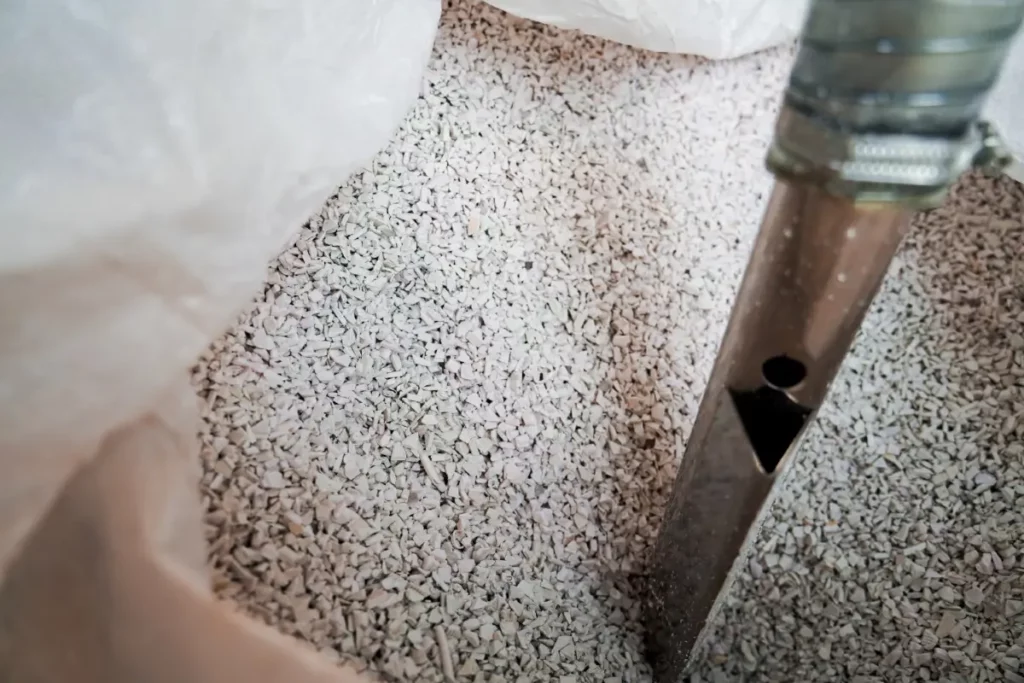
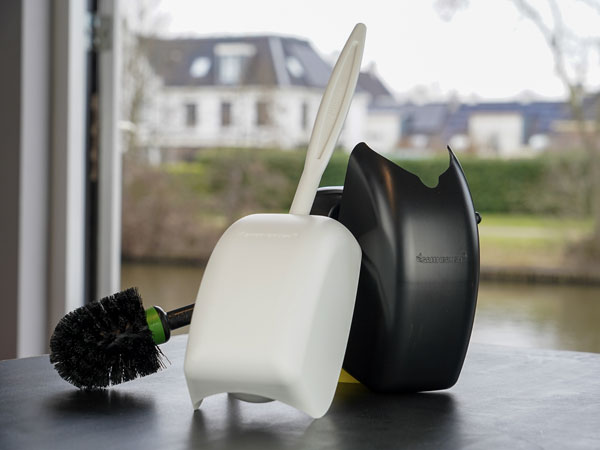
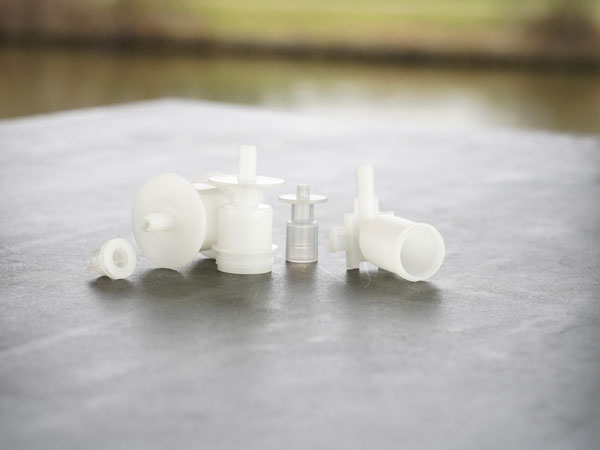
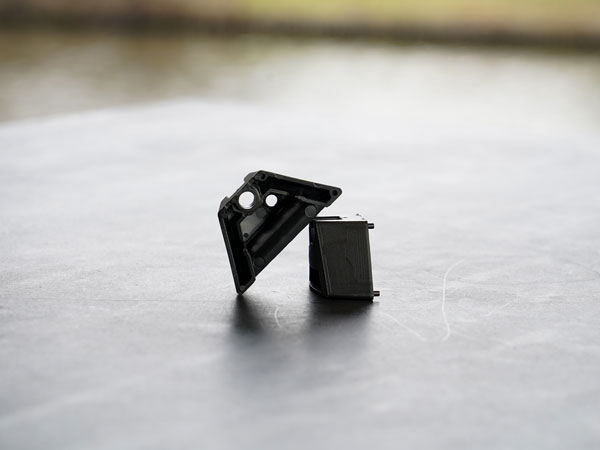
Polypropylene (PP) is a widely used thermoplastic with a low density and excellent chemical resistance. Thanks to its versatility, flexibility and relatively low cost, it is commonly applied in packaging, household products, technical components, the food industry and automotive applications. PP is produced through the polymerization of propylene, resulting in a lightweight yet strong material that is highly suitable for injection molding processes, enabling the efficient production of durable and functional products.
Polypropylene is a versatile plastic that excels in both functionality and cost efficiency. Thanks to the combination of low material costs, chemical resistance and solid mechanical properties, it is suitable for a wide range of applications.
1. Highly cost-efficient material
Polypropylene has a low density and a relatively low melting temperature, making it inexpensive to process. Due to its wide availability and favorable material costs, polypropylene is ideal for high volumes and price-sensitive applications.
2. Excellent chemical resistance
Polypropylene is resistant to solvents, bases, acids and moisture. This makes it perform exceptionally well in applications where other plastics (such as ABS) are less suitable, for example in medical products, packaging and industrial components.
3. Flexible and tough: suitable for hinges
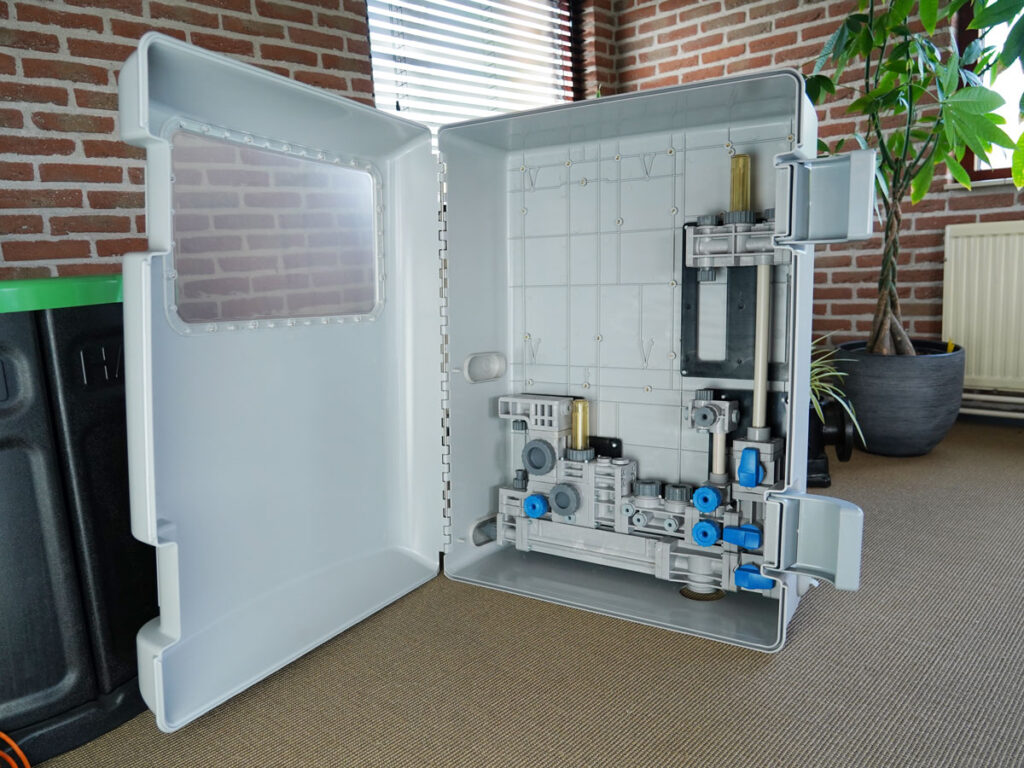
Polypropylene combines flexibility with high impact resistance, allowing product hinges (such as living hinges in cases, lids or caps) to function reliably for years without breaking. This property makes polypropylene unique in injection molding.
4. Broad applicability across many markets
Polypropylene is used in household products, garden items, appliance manufacturing, automotive, food industry applications and technical components. The balance between price, strength and resistance makes it a universally applicable plastic.
5. Lightweight and efficient in production
Thanks to its low density, less material is required per product. This reduces both costs and energy consumption during injection molding, which is particularly advantageous for medium to large production volumes.
6. Easily recyclable
Polypropylene is a thermoplastic, meaning it can be reprocessed. Residual material or rejected products can be ground and reused with minimal loss of quality.
The properties of polypropylene
The advantages of polypropylene
Polypropylene is a versatile plastic distinguished by a combination of practical and technical properties. The material is lightweight, strong and easy to process, proving its value across a wide variety of applications.
Key material properties:
Lightweight: the lowest density of all commonly used plastics
Chemically resistant: exceptional resistance to aggressive substances
Hygienic & food-safe: widely used in medical and food-grade applications
Tough flexibility: ideal for living hinges
Good temperature resistance: more heat resistant than PE
Disadvantages of polypropylene
Polypropylene is widely used due to its favorable material properties, but it also has some limitations. These can be particularly relevant under prolonged loading and exposure to environmental influences.
Less dimensionally stable than ABS or PC; may warp slightly under prolonged load
Difficult to glue or paint without surface treatment
Moderate UV resistance without stabilizers
Rigid and flexible components
Which other materials do we use?
In addition to PP injection molding, Orange Plastics also processes other plastics such as ABS, POM, PC, PVC and HDPE. Sustainable options such as recycled plastics and bioplastics are also part of our offering. Our specialists are happy to advise you on the material that best suits your product and production process.
For PP injection molding, we also adopt a sustainable approach. We work with energy-efficient, fully electric injection molding machines and use recycled PP or internally produced regrind wherever possible, without compromising the technical performance or appearance of the final product. In this way, we leverage the strong and flexible properties of polypropylene within an environmentally conscious production process and deliver high-quality components with a lower ecological footprint.
We use a variety of injection molding techniques, allowing us to always select the most suitable method for your product and application. From prototype to series production, we ensure your plastic components are manufactured accurately and efficiently.
The cost of PP injection molding is determined by a combination of the design, production volume and the properties of the polypropylene itself. PP is lightweight, easy to injection mold and has short cycle times, making it particularly cost-efficient in production. At the same time, factors such as the type of PP, color compounds or specific functional requirements can affect both price and lead time.
Factors influencing the price:
Type of PP: standard, UV-stabilized or food-grade PP fall into different price ranges; reinforced and specialty grades are more expensive
Color: custom colors, color compounds and high color consistency requirements increase material costs
Material usage: larger or thicker products require more PP per part, increasing total raw material costs
Properties & additives: UV stabilizers, mineral fillers or glass fibers improve functionality but increase cost
Average delivery times:
Standard PP: usually available from stock or within 1–2 weeks
Special PP grades or custom colors: 2–6 weeks lead time, depending on availability and formulation
Polypropylene is a plastic that is lightweight, strong and flexible. It is often used for products that are injection molded or formed. PP is inexpensive, easy to process and suitable for many applications.
No, PP itself is non-toxic and biologically inert, which is why it is safely used for food and medical products. Please note that some products contain additives, such as colorants or UV stabilizers, which may vary depending on the application.
Orange plastics
Turn your product idea into reality?
Do you have a product idea or want a quick price estimate? Contact us and we will assist you right away.
Testimonials
Clients of Orange Plastics
Our experience with Orange Plastics is very positive. Their expertise in 3D modeling, injection mold development and production, and injection molding itself is impressive. The flexible and thoughtful approach - from development to assembly - has helped us enormously in the success of our project. All in all a great club to work with!
Sylvan Boonstra
The collaboration with Orange Plastics went smoothly from the beginning to the end of our project because the lines are very short and they can switch quickly.
In addition, they deliver good quality products within the tight deadline.
All in all, a company that we can definitely turn to for future projects!
Julia van Bloois
Very fast and quality service. We will definitely come back for our next project.
Jen Rossey
Good service and generous thoughts. Even after the product has been delivered, they continue to help.
Dennis Bartels
Excellent cooperation with Orange Plastics during the development and production of our product. Together we developed a beautiful, high-quality product. In short, a nice company to do business with.