
Sustainability and recycling in injection molding
Sustainability is becoming increasingly important in the plastics industry. In injection molding, there are three key focus areas: recycling, low energy consumption, and waste reduction. In this blog, we discuss how these pillars contribute to environmentally friendly and cost-efficient production. An example of plastic material during the recycling process.
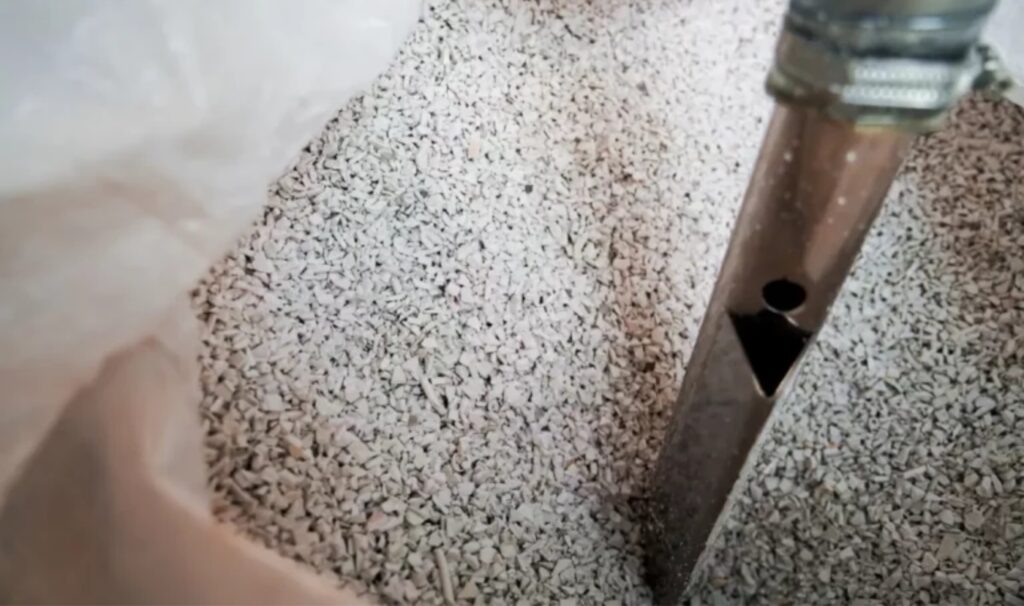
An example of plastic material during the recycling process
Summary
- Horizontal recycling: Plastic is sorted by type and reused, allowing quality and value to be preserved.
- Problem with traditional recycling: Mixed plastics lose value and may end up in low-quality products of waste.
- Energy consumption: Efficient machine use and reduced cycle times lower energy use and costs.
- Transport and inventory: Smart planning and logistics reduce material and space waste.
- Time waste and over-processing: Waiting and unnecessary processing lead to additional energy and material consumption.
Watch video
Table of contents
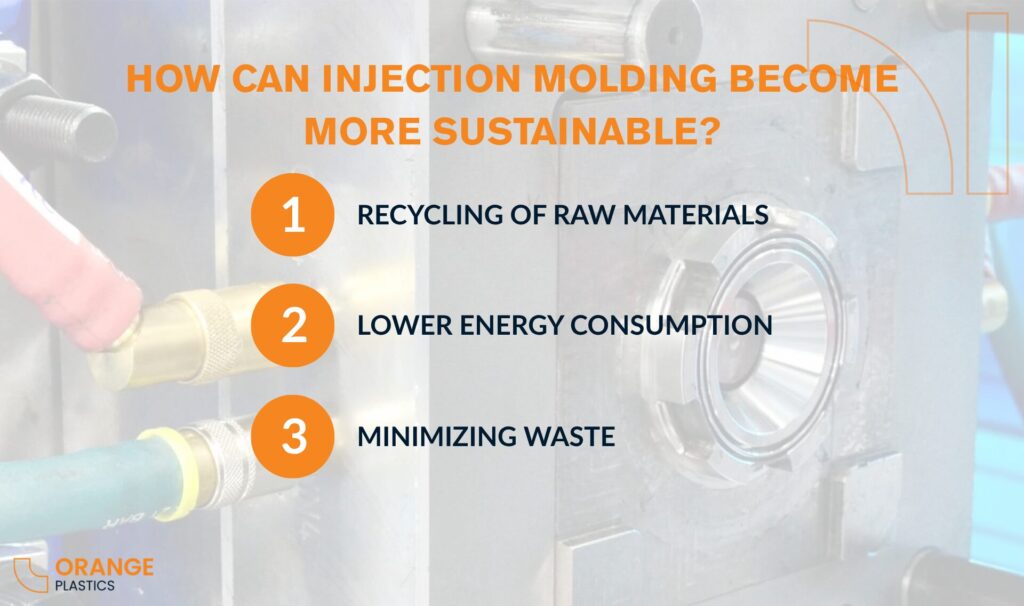
An overview of the factors that make injection molding more sustainable.
1. Recycling: horizontal reuse of plastics
Traditional plastic recycling often leads to quality loss because different types of plastics are mixed. Horizontal recycling offers a solution: by sorting plastics by type, the material can be reused for high-quality products, helping to preserve value, reduce costs, and lower environmental impact.
Problem with traditional recycling
Traditionally, different types of recycled plastics were mixed into low-quality products. As a result, high-quality materials, such as medical-grade plastics, lost their value and sometimes ended up in low-cost products or waste.
Solution: horizontal recycling
An alternative to traditional recycling is horizontal recycling.
- Plastic products are sorted by type of polymer
- The material can be reused for the same product or another high-quality application made from the same type of plastic
Advantages: preserved quality, lower production costs and reduced environmental impact.
Disadvantages: dependency on a specific type of plastic.
2. Energy consumption: efficient use of machines
Injection molding machines and related equipment consume significant amounts of energy. Modern machines are becoming more energy efficient, but how they are used also makes a big difference. By optimizing cycle times, minimizing downtime, and using machines efficiently, both energy consumption and production costs per part can be significantly reduced. Efficient machine use contributes not only to cost savings but also to more sustainable production.
Important point
Sustainable injection molding starts with efficient use of materials and energy. By recycling plastics, using machines intelligently and minimizing waste, you reduce both environmental impact and production costs.
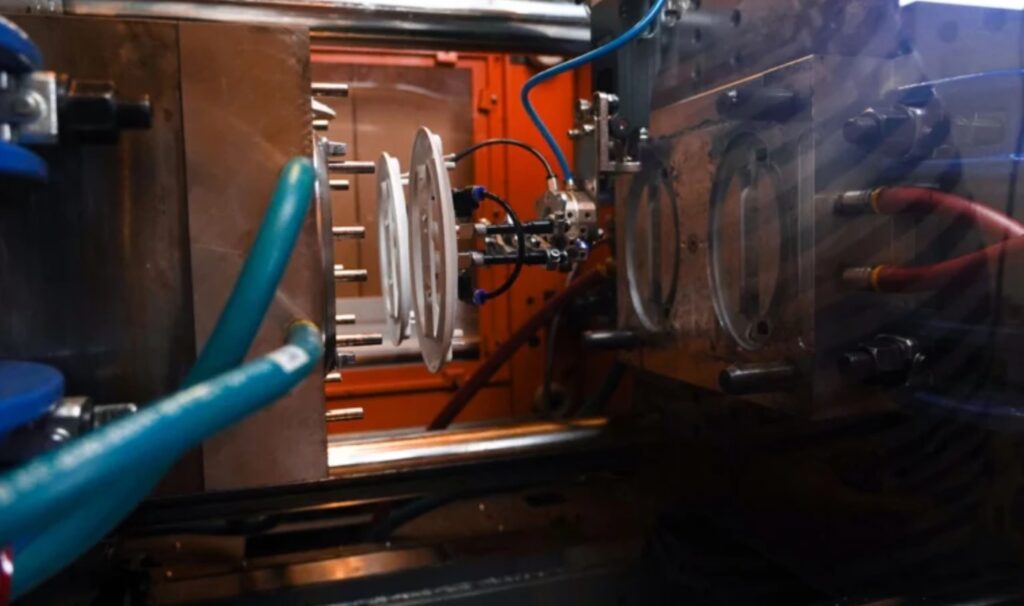
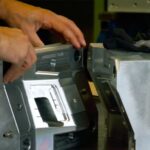
Insight into the inside of an injection molding machine.
3. Waste: reducing material and time loss
Waste in production is not only caused by excess material, but also by inefficient transport, excessive inventory, and time loss. Smart planning, efficient logistics, and avoiding over-processing can significantly reduce these forms of waste, lowering both costs and environmental impact.
Transport and inventory
Unnecessary transport and excessive inventory lead to waste of materials, space, and resources. By implementing smart planning and efficient logistics, this can be reduced, making production cheaper, faster, and more sustainable.
Tijdverspilling en overbewerking
Waiting for parts, instructions, or equipment creates a chain reaction of inefficiency. In addition, over-processing, such as applying excessive pressure or using overly tight tolerances, leads to unnecessary energy and material consumption.
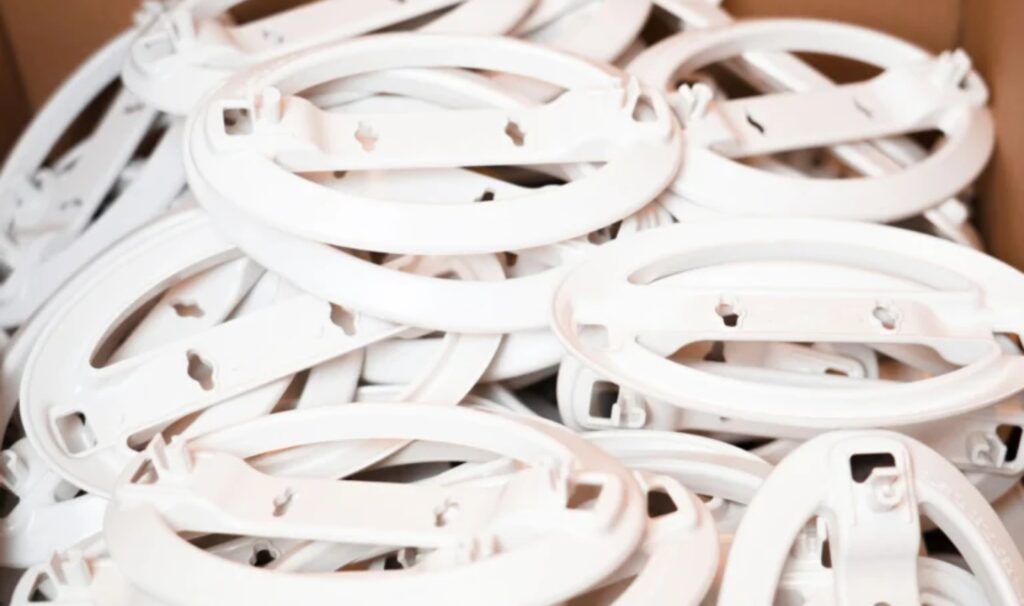
An example of injection molted products.
Conclusion
Sustainable injection molding means:
- Recycling: reusing plastics through horizontal recycling.
- Energy: efficient machine usage and reduced cycle times.
- Waste: optimizing transport, inventory, time, and processing.
By combining these three pillars, companies can reduce both their environmental footprint and production costs.
Need your product developed?
Do you have a product idea or want a quick price estimate? Contact us and we will assist you right away.